Program Revamp
& Campaign
High cost, low conversion,
and a broken intake.
Bariatric programs face a patient acquisition challenge that most healthcare services don't: the audience is motivated but cautious. People considering weight loss surgery have often spent years thinking about it. A generic ad campaign doesn't move them — the right message at the right moment does.
The existing program had both a messaging problem and an infrastructure problem. On the messaging side, the campaign lacked emotional resonance — it was clinical and feature-forward where it needed to be empathetic and transformation-led. On the infrastructure side, the intake process and website were creating friction that killed conversion before it ever reached a clinician.
Acquisition costs were high because media spend was being absorbed by a leaky funnel. Fixing the campaign without fixing the intake process would have improved leads without improving outcomes. The revamp had to address both problems simultaneously.
The result was a two-pronged initiative: a fully redesigned patient journey from ad impression to booked consultation, and a multimedia campaign built around real patient transformation stories that gave prospective patients a reason to take the first step.
Campaign & operations, together.
- Guided the full campaign strategy — defined the empathy-driven messaging platform, patient story framework, and channel-specific creative direction across all formats
- Developed the Empower creative series — the campaign's emotional anchor, built around transformation narratives and patient success stories designed to connect with patients who had been considering surgery for years
- Produced multimedia asset suite — digital ads, newspaper and magazine spreads, broadcast commercials — all unified under the same brand voice and campaign platform
- Managed clinical collaboration for patient narrative approvals — coordinated compliance review without diluting the emotional effectiveness of the creative
- Built rollout schedules and budget management across all channels and phases — tracked spend against lead quality, not just lead volume
- Led the website redesign — overhauled digital touchpoints to prioritize lead conversion and patient education, reducing friction between first contact and booked consultation
- Redesigned the intake process end to end — identified and eliminated drop-off points that were inflating acquisition cost without being visible in the campaign metrics
- Built patient education architecture into the digital experience — designed content flows that addressed common patient concerns before they became objections during intake
- Implemented segmented media targeting — used behavioral and demographic data to reach prospective patients at the consideration stage, not just the awareness stage
- Tracked performance at the qualified-lead level — held the campaign accountable to conversion quality, not just impression volume, enabling the media mix to shift toward highest-performing channels
Fix the funnel first,
then fill it.
Five stages — infrastructure before creative, so every media dollar arrived at a conversion-ready experience.
Two pillars.
One connected strategy.
The revamp addressed both sides of the acquisition problem simultaneously — neither alone would have moved the numbers.
- Digital ads — segmented by behavioral and demographic intent signals
- Newspaper & magazine spreads — transformation story formats
- Broadcast commercials — patient success narrative spots
- Social creative — Empower series across platforms
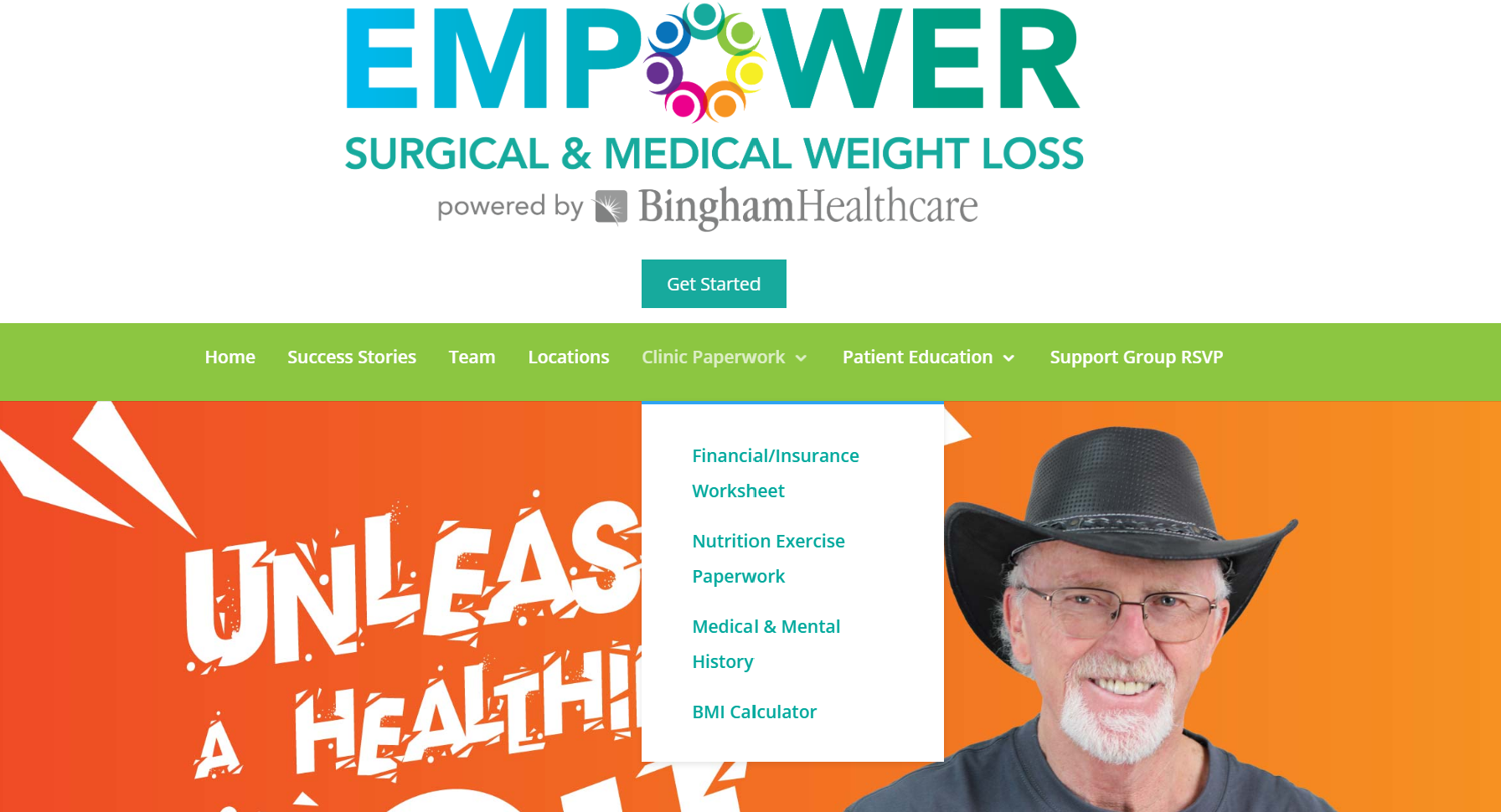
- Website redesign — optimized for lead conversion and patient education
- Intake process rebuild — friction removed from first contact to booked consult
- Patient education content — pre-addressed common concerns and objections
- UX improvement — mobile-first flow aligned to how patients actually arrive
Empower —
the transformation platform.
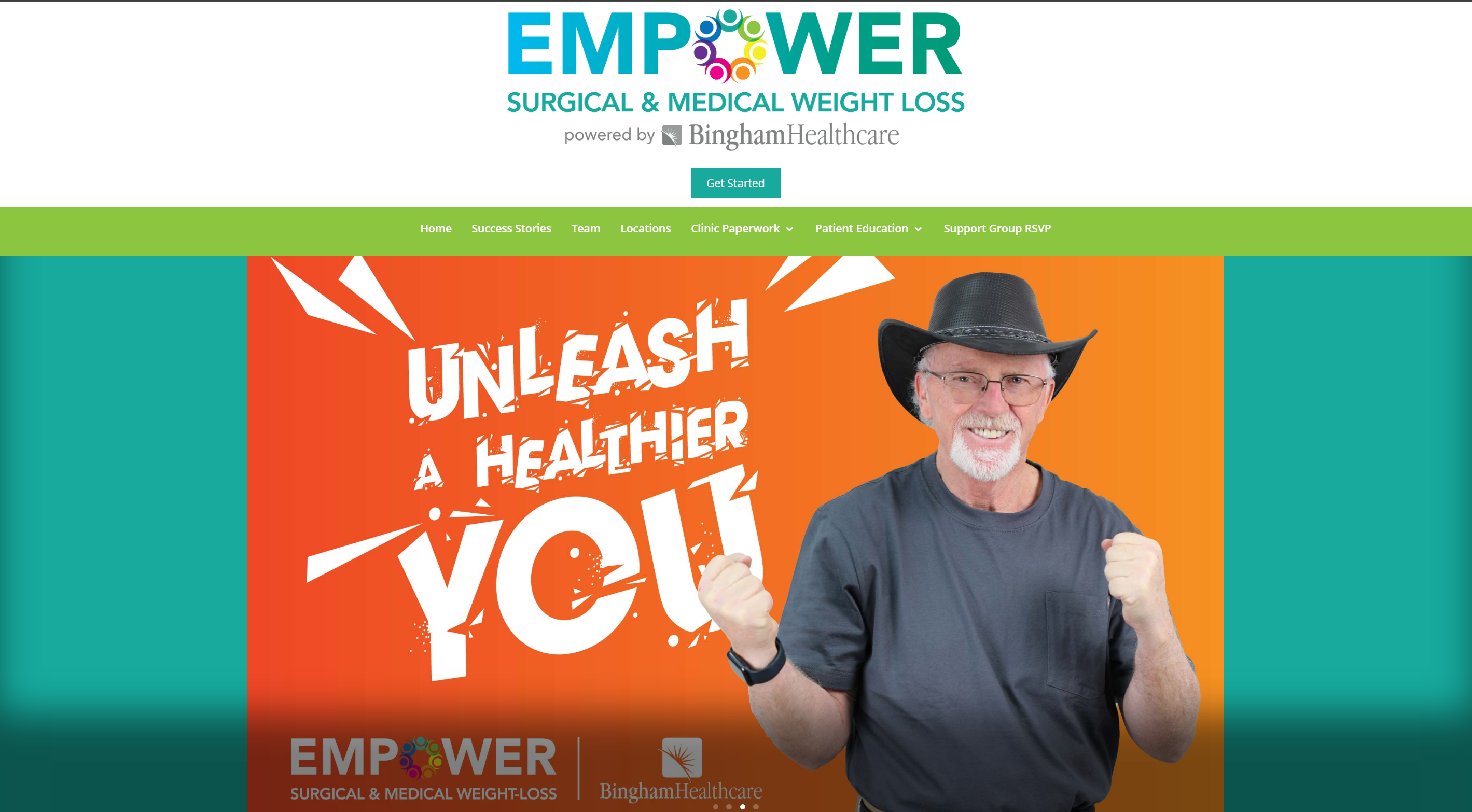
The “Empower” campaign series was the emotional centerpiece — a visual and narrative platform built to connect with patients who had been considering surgery for years, not just those who discovered the program yesterday.




Full scope.
Full ownership.
Every component across both pillars — from the first intake audit to the final broadcast spot.
The stat sheet
Key decisions & tradeoffs
The strategic choices behind the revamp — and why some of the less obvious ones mattered most.
| Decision | Rationale | Tradeoff |
|---|---|---|
| Fix intake before media | The most counterintuitive decision in the revamp: rebuilding the intake process and website before increasing media spend. Pouring more budget into a leaky funnel would have improved lead volume but not acquisition cost. The infrastructure had to be ready to convert before we optimized for traffic. | Delayed campaign launch — the intake rebuild added time to the overall timeline. Accepted as the right tradeoff because the 40% cost reduction would not have been achievable without it. |
| Empathy over features | Bariatric patients at the consideration stage have already researched the procedure. They know what surgery involves. What they need is permission to believe it could work for them — which is an emotional, not informational, message. The Empower platform was built to provide that permission through patient stories, not clinical claims. | Stronger resonance with target patient — clinical audiences and compliance teams often push toward feature-forward messaging. Holding the empathy-led direction through the approval process was where the campaign differentiation was won or lost. |
| Track qualified leads, not impressions | Reporting on impression volume is a way of hiding underperformance. A campaign that drives 10,000 impressions and 50 qualified leads is worse than one that drives 3,000 impressions and 80 qualified leads. Holding the team accountable to lead quality from the start forced better targeting decisions throughout. | Harder internal sell — impression metrics are easier to report and easier to defend. Shifting the conversation to cost-per-qualified-lead required ongoing communication with stakeholders who were accustomed to reach-based reporting. |
| Patient education as a conversion tool | Pre-addressing patient concerns in the website and intake content — surgery risks, recovery timeline, candidacy criteria — reduced the volume of questions that stalled the intake process. Patients arrived at consultation better informed, which shortened the sales cycle and improved the experience on both sides. | Dual benefit — the content investment reduced intake friction and improved patient experience simultaneously, contributing to both the acquisition cost reduction and better conversion rates from the same media spend. |